
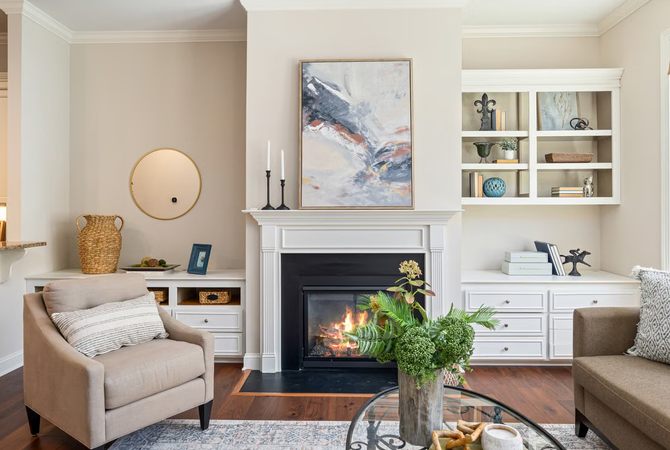
Some homes have a way of making people feel comfortable the moment they walk through the door. It is not always about expensive furniture, large rooms, or stylish decorations. The feeling of comfort often comes from small details that influence how people experience their surroundings every day. Factors such as indoor air quality, temperature, lighting, sound, and layout all contribute to the way a home feels. A well-designed living space supports relaxation, productivity, and overall well-being. As homeowners become more aware of the connection between their surroundings and their quality of life, comfort is becoming one of the most important parts of modern home design.
The Right Elements Can Create a Comfortable Home
Creating a comfortable home involves more than choosing attractive finishes or following the latest design trends. The balance between different environmental factors plays a major role in how enjoyable a space feels. Information shared by homeandsmart.de shows how modern homes are increasingly focused on combining practical design, better indoor conditions, and solutions that improve everyday living. A comfortable living environment usually comes from a combination of thoughtful choices. The right balance of temperature, air movement, lighting, and materials can help create a space that feels natural and relaxing. These elements work together quietly in the background but have a noticeable effect on how people experience their homes.
Indoor Air Quality Can Change How a Home Feels

The air inside a home has a direct impact on comfort and well-being. A space with poor ventilation or high humidity can feel uncomfortable, even if the design and furniture are appealing. Fresh air circulation and balanced moisture levels help create a more pleasant atmosphere. Many homeowners are now paying closer attention to creating a healthy home environment by improving ventilation and choosing solutions that support cleaner indoor air. Better air quality can make rooms feel fresher and more inviting while supporting a healthier daily lifestyle.
Temperature Balance Is Essential for Everyday Comfort
Temperature is one of the first things people notice when entering a home. A room that is too warm or too cold can affect relaxation, concentration, and overall enjoyment of the space. Comfortable homes are designed to maintain stable temperatures throughout different seasons. Efficient heating and cooling systems, proper planning, and smart controls can help create consistent indoor comfort. A balanced temperature allows residents to enjoy their homes without constantly adjusting their environment.
Lighting Shapes the Mood of a Living Space
Lighting plays a powerful role in how a home feels. Natural light can make rooms appear more open and welcoming, while carefully selected artificial lighting can create a calm and relaxing atmosphere. The placement of windows, the use of different lighting options, and the colors used throughout a home can all influence the mood of a space. Good lighting design does more than improve visibility. It can support energy, focus, relaxation, and a stronger connection with the home environment.
Noise Control Helps Create a More Peaceful Environment
Sound is another important factor that affects how comfortable a home feels. Unwanted noise from outside traffic, appliances, or neighboring spaces can make it difficult to relax and enjoy a living area. Homes designed with privacy and quiet in mind can provide a more peaceful experience. Thoughtful room placement, suitable materials, and careful planning can reduce disturbances and create spaces where residents feel calmer.
The Layout of a Home Affects Daily Experiences

A home’s layout can influence how easily people move, work, and relax within their space. A well-planned design allows rooms to serve their purpose while making everyday activities feel more convenient. Modern homeowners are looking for spaces that are flexible and practical. Areas that support remote work, family activities, and personal relaxation are becoming more valuable because they allow homes to adapt to changing routines.
Technology Is Always Essential
Technology is becoming an important part of creating better living experiences. Smart systems can help homeowners manage lighting, temperature, security, and energy use more easily. When technology is used effectively, it can make a home more responsive to the needs of its residents. Automated features can improve convenience while helping create a more comfortable environment that matches personal preferences and daily habits.
Well-Designed Homes Support Long-Term Well-Being
A comfortable home should continue to meet the needs of its residents over time. This means considering not only current preferences but also how lifestyles may change in the future. Homes designed around comfort, flexibility, and healthy indoor conditions can provide lasting value. By focusing on the elements that influence everyday experiences, homeowners can create spaces that feel welcoming for many years.
A home feels comfortable when its design supports the people who live there. Factors like air quality, temperature, lighting, sound, and layout all contribute to creating a space that feels balanced and enjoyable. Understanding these elements allows homeowners to create living environments that improve comfort and everyday well-being.