
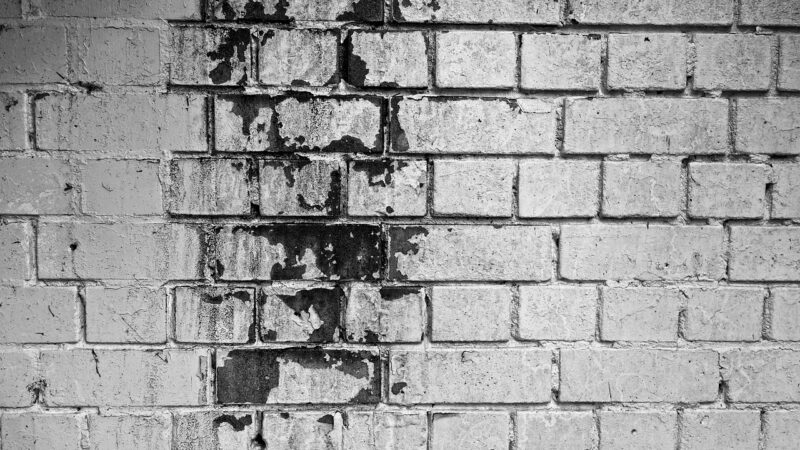
Mold and mildew are common challenges in underground spaces like basements and cellars, where moisture and humidity levels can easily become elevated. Left unchecked, mold and mildew cause unsightly stains and unpleasant odors and can lead to serious structural damage and health issues. You can make use of the pointers shared on aachener-zeitung.de to get the best results on your cellar projects. Preventing these fungi from taking hold in your underground space requires a proactive approach to managing moisture and maintaining a clean environment. This article provides practical tips for preventing mold and mildew in your underground space, ensuring it remains a healthy and functional area in your home.
Controlling Humidity Levels
 One of the primary factors contributing to mold and mildew growth is excessive humidity. Mold thrives in environments where humidity exceeds 60%, making basements and other underground spaces particularly vulnerable. To prevent this, monitoring and controlling the humidity in your space is essential. Using a dehumidifier is one of the most effective ways to keep humidity levels in check.
Place the dehumidifier in a central location and set it to maintain a humidity level between 30% and 50%. Be sure to empty the water collection reservoir regularly, or opt for a model that offers continuous drainage.
Ensuring Proper Ventilation
Good ventilation is crucial in preventing mold and mildew because it helps to reduce moisture buildup and improve air circulation. Without adequate ventilation, moisture can become trapped in your underground space, creating the perfect breeding ground for mold. If your basement has windows, open them regularly to allow fresh air to circulate, especially after activities that increase humidity, such as laundry or showers. If windows aren’t available, consider installing ventilation fans to help move air in and out of the space.
Waterproofing Your Space
Water intrusion is a significant source of moisture that can lead to mold and mildew in underground spaces. To prevent water from entering your basement, it’s important to waterproof the area both inside and out. To avoid water collecting close to the walls, ensure the grading around your house slopes away from the foundation. It’s also essential to install or maintain gutters and downspouts to divert rainfall from the foundation. To build a barrier against moisture, paint or seal the basement’s floors and walls using waterproofing paint.
Addressing Leaks and Plumbing Issues
Leaky pipes, faucets, or appliances can introduce a steady source of moisture into your underground space, increasing the risk of mold and mildew growth. Regularly inspecting your plumbing system for leaks and promptly addressing any issues is key to preventing water damage and moisture accumulation.
Keeping the Space Clean and Dry
Maintaining a clean and dry environment is essential for preventing mold and mildew. Regular cleaning helps remove dust and debris that can harbor moisture while keeping the space dry, which minimizes the conditions in which mold needs to grow. It’s also important to avoid storing organic materials like wood, paper, or fabric directly on the basement floor, as these can absorb moisture and attract mold. Instead, keep items elevated on shelves or pallets to allow air to circulate them.
Using Mold-Resistant Materials
When finishing or renovating your underground space, consider using mold-resistant materials to minimize the risk of mold and mildew growth. These materials are designed to resist moisture absorption and inhibit mold development, making them ideal for basements and other damp environments.
Conclusion
Preventing mold and mildew in your underground space requires a combination of moisture control, proper ventilation, regular maintenance, and mold-resistant materials. By implementing these tips, you can protect your basement or cellar from the damaging effects of mold, ensuring it remains a healthy, dry, and usable space.…
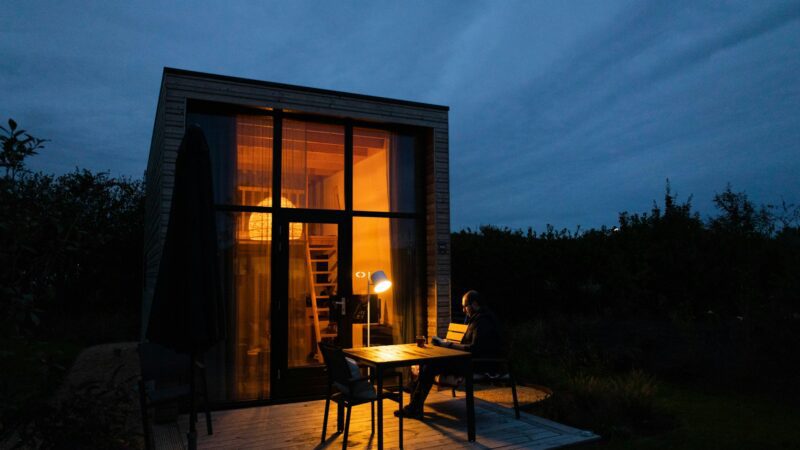


 One tip to update an old kitchen is to change the countertops. There are many materials, including granite, quartz, and marble. Granite is a very popular choice because it is durable and can withstand heat. Quartz has a unique design, while marble provides a luxurious look that adds natural beauty to your kitchen space. It would be best to research the pros and cons of each material before deciding. This way, you can ensure you get the best countertop for your kitchen.
 Another tip to give your outdated kitchen a facelift is to install new cabinets. Replacing old wooden cabinetry with modern, sleek designs will instantly make your kitchen look more updated and stylish. Consider adding pull-out drawers or inserts for an even more modern look. Additionally, you can install open shelving to give your kitchen an airy and spacious feel. Many homeowners opt to paint their cabinets, as this can be a great way to brighten up the room and make it look more inviting. Some DIY it, while others hire a professional. If you plan on doing it yourself, make sure that you measure correctly so that your cabinets fit perfectly in the space.
 The last tip to improve your outdated kitchen is to update the lighting. Installing new light fixtures like LED under cabinets or track lights can bring your kitchen a warm and inviting atmosphere. Additionally, you can add dimmers for maximum control over the room’s light. This will allow you to create different moods depending on what you’re cooking or entertaining.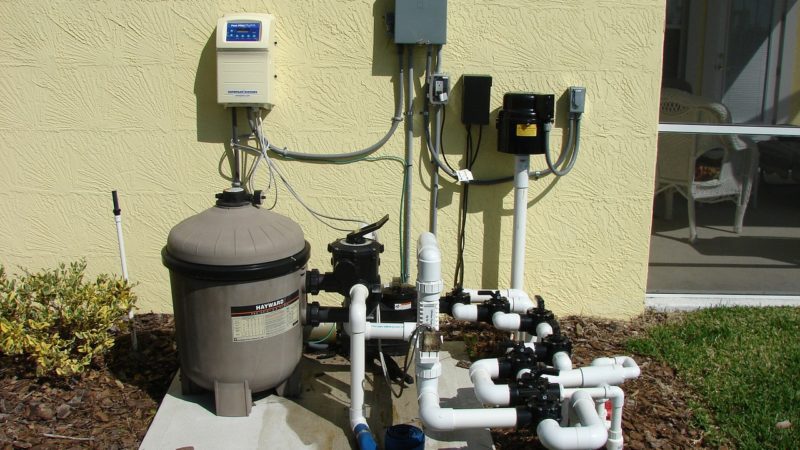
 It’s not just about the taste of your water. A good water filtration system will give you clean and healthy water that is free from contaminants like lead, chlorine, and other harmful chemicals. Not only is this better for your health, but it’s also great for appliances that use water- like your dishwasher or washing machine.
 When your drinking water is free from contaminants and chemicals like chlorine, the effects are clear- healthier skin and hair. Chlorine is often used to disinfect water, but it can also be harsh and dry on the skin and hair. When you have a good water filtration system in your home, you’ll no longer have to worry about the adverse effects of chlorine and other harmful chemicals on your skin and hair.

 These leaks may not be apparent until months later when water begins to seep through the attic. Locating the source of the leak can also be a daunting task. One tip for getting the leak area is to perform a water test when the weather is reasonable and dry. To do this, have one person come out of the attic with a bucket and a flashlight while the other goes up on the roof with a hose.