
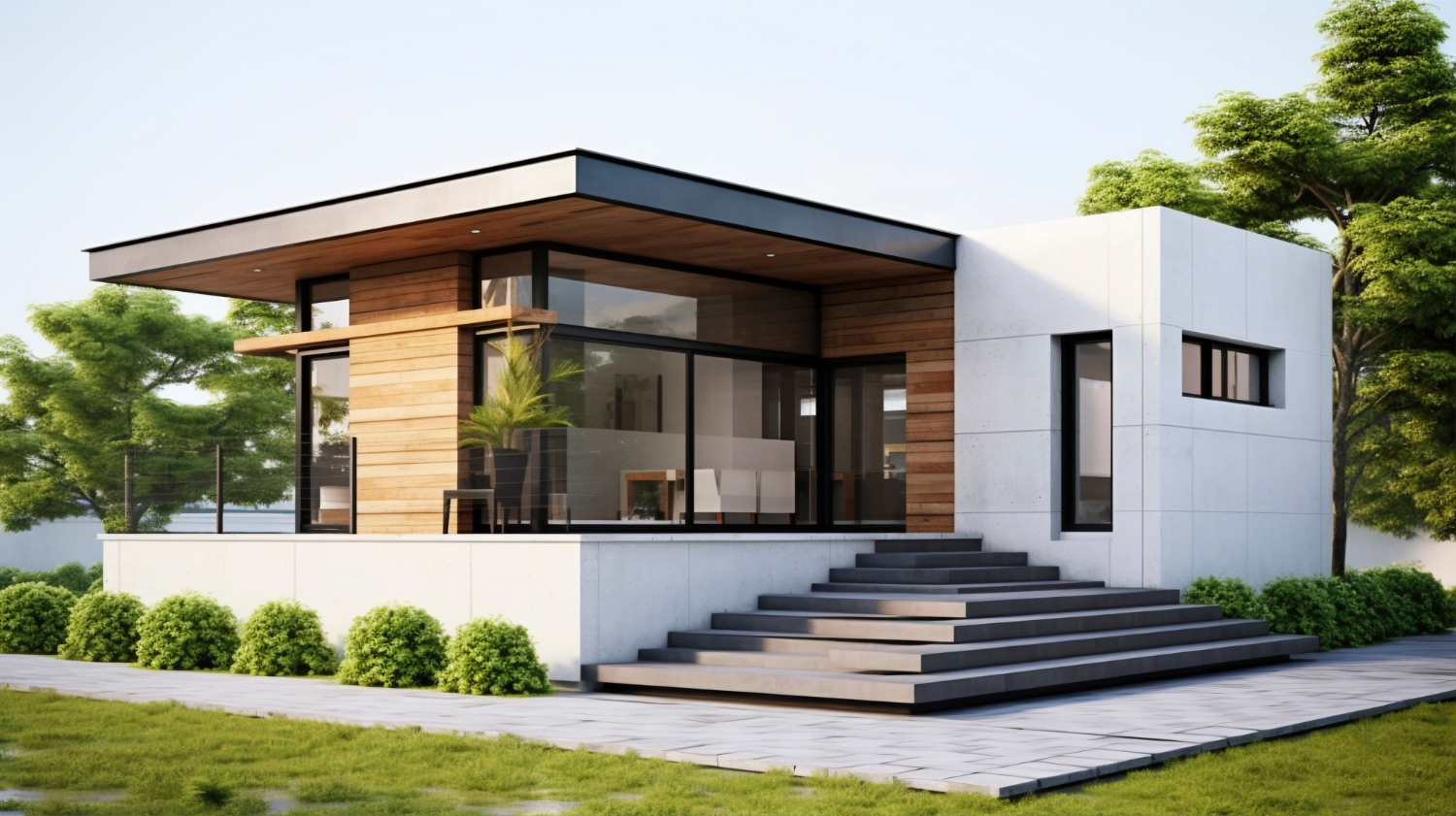
In a world that feels increasingly cluttered and fast-paced, minimalist design offers a refreshing escape. The concept of “less is more” has made its way from art and fashion into modern home construction—and it’s here to stay. Minimalist construction isn’t just about aesthetics; it’s about creating functional, sustainable living spaces that are smarter, not larger. Whether you’re building your dream home or downsizing to something simpler, minimalist design can help you make the most of every square meter.
Function First, Always
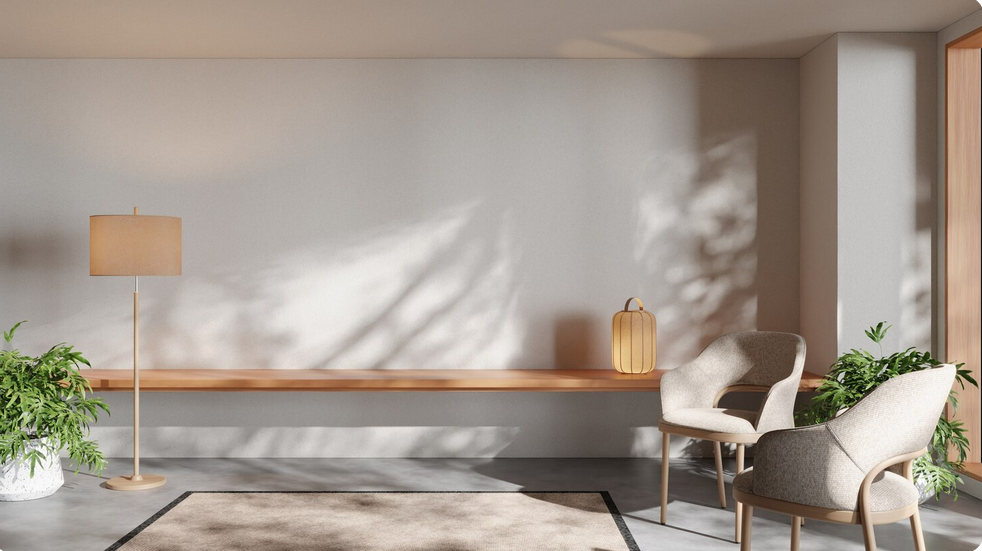 The foundation of minimalist construction is functionality. Every wall, window, and piece of furniture serves a purpose—often more than one. In fact, many homebuyers today are seeking out spaces where efficiency is built into the structure itself. Regional Immobilien 24 are responding to this demand by focusing on smart layouts that maximize livable space without unnecessary extras. The goal is to create homes that feel open and uncluttered, even when they’re compact.
The Beauty of Clean Lines
Minimalist homes are known for their clean lines and simple shapes, which create a sense of calm and order. Instead of ornate moldings or decorative flourishes, you’ll find flat surfaces, neutral colors, and thoughtful geometry. This design philosophy allows the architecture to shine on its own while making rooms feel more expansive. Natural light plays a big role here too—large windows and open spaces allow sunlight to fill the home, enhancing both mood and energy efficiency.
Quality Over Quantity
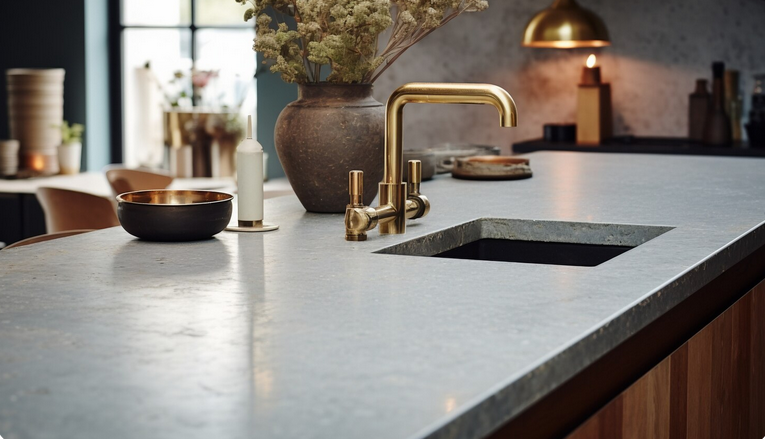
When you strip away the excess, what’s left must be high quality. Minimalist construction puts a premium on craftsmanship and materials. Think solid wood floors, natural stone countertops, and well-insulated walls. Every element in the home should contribute to both its durability and visual appeal. Rather than cramming a space with furnishings or decor, minimalist design relies on a few beautiful, well-made items to carry the aesthetic.
Sustainable Living Made Simple
Another major benefit of minimalist construction is its alignment with sustainable living. Smaller homes use fewer resources to build and maintain, and they often come with energy-efficient systems that lower utility bills. From solar panels to rainwater harvesting systems, minimalism pairs perfectly with green technology. And because the homes are designed with long-term use in mind, there’s less waste over time—both in terms of energy and materials.
Designing for Flexibility
 Minimalist homes are often designed with flexibility in mind. Open floor plans make it easier to adapt spaces for multiple uses—your living room can become a home office, or a guest bedroom can double as a creative studio. This adaptability is especially appealing in today’s world, where remote work and shifting lifestyles are more common than ever. With clever planning and a focus on essentials, minimalist homes can grow and change along with their owners.
Minimalist construction isn’t about living in a cold, empty box—it’s about creating spaces that support your life without overwhelming it. By focusing on function, quality, and sustainability, this design approach proves that you don’t need more space to live well—you just need the right space. Whether you’re building a new home or remodeling an old one, minimalism offers a thoughtful, intentional way to make every square meter count.